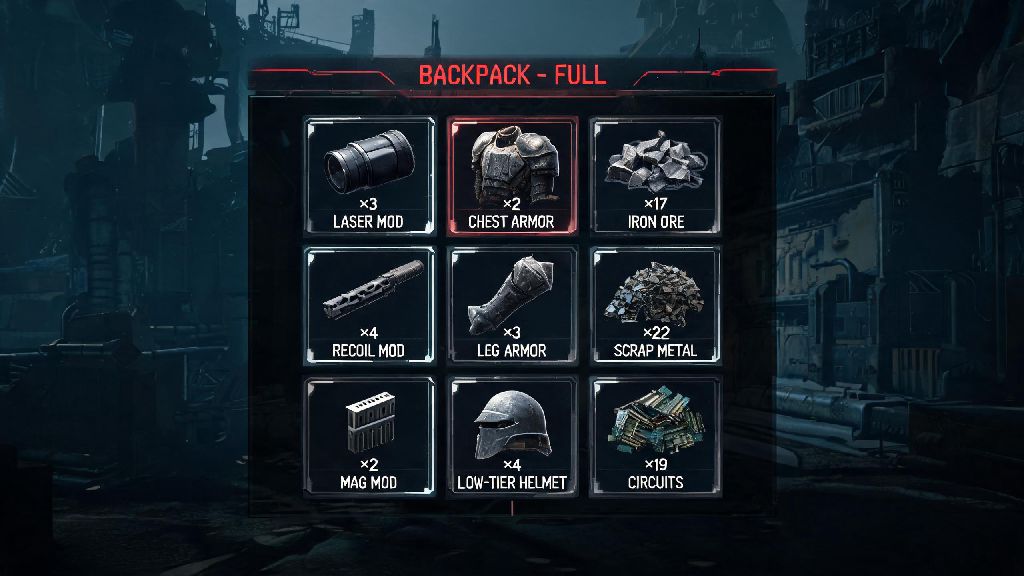
If you’ve spent even a few hours running missions in The First Descendant, you’ve probably ended up with a backpack full of random drops you don’t need: duplicate weapon mods, low-tier armor pieces, excess crafting materials you’ll never use. Figuring out how to sell stuff in The First Descendant isn’t just a nice-to-have skill, it’s critical if you want to avoid hitting your inventory cap mid-mission and wasting valuable drops you actually want. I’ve put in over 120 hours in the game so far, and I used to leave so much silver on the table because I didn’t know the best way to sell my junk, or even which vendors would give me the best value for my items. This guide breaks down everything you need to know to turn your unused clutter into credits, crafting materials, and even rare cosmetics you can’t get anywhere else.
How to Sell Stuff in The First Descendant: Basic Vendor Walkthrough
Once you know how to sell stuff in The First Descendant, the process only takes a couple of minutes every time you return to the hub. The first vendor most players access is Albion, the main hub general merchant, who is located right next to the fast travel point in the central outpost. To sell items, interact with Albion, select the “Sell” tab from the menu, and click on any items in your inventory that you want to offload. You’ll see the credit or resource payout for each item right next to its name, so you can track exactly how much you’re earning before you confirm the sale.
Always check if an item is marked “account-bound” before trying to sell it – these items can only be dismantled, not sold, so don’t waste time trying to list them. Bound items usually include story rewards, pre-order bonuses, and items you’ve already equipped to one of your characters. If you don’t want a bound item, dismantling it will still give you small amounts of crafting materials, so it’s better than letting it take up space in your inventory.
Which Items You Should Sell (And Which You Should Keep)
If you’re still new to how to sell stuff in The First Descendant, this list will take all the guesswork out of which items to part with. A lot of new players either sell too much useful gear or hold onto every single drop they find, and both mistakes will slow down your progression significantly. You can almost always sell these items without any regret:
Never sell legendary or unique items unless you’re 100% sure you don’t need them for a future build – these items are extremely rare, and selling them means you’ll probably have to grind for dozens of hours to get them back if you change your mind later. If you’re not sure about an item, move it to your shared storage first instead of selling it immediately, so you can check if any of your alternate characters can use it. I once sold a rare electric damage mod I thought was useless, only to realize a week later that it was the exact piece I needed for my new Viessa build, so I speak from experience here.
Get Better Value for Your Items With Specialty Vendors
A big part of mastering how to sell stuff in The First Descendant is knowing which vendors give you the best rates for the items you’re trying to offload. Most new players only sell to Albion in the main hub, but there are specialty vendors scattered across different outposts that will give you 15-20% more credits for specific item types, or even trade you rare crafting materials instead of cash.
For example, the weapon vendor in the Snowfront Outpost will pay more for unused weapon mods and gun parts, while the armor vendor in the Desert Haven Outpost gives better rates for armor pieces and upgrade materials. There’s also a material merchant in the Swamp Outpost that will trade excess basic materials for rare enhancement cores, which are way harder to farm than regular credits. Make a habit of stopping at relevant specialty vendors after every mission run – over a few weeks, that extra 20% adds up to hundreds of thousands of extra credits you can use to buy high-tier mods or upgrade your main character’s skills. If you’re not sure where a specific vendor is located, you can check your map for vendor icons that show their specialty.
Common Selling Mistakes to Avoid
Even if you already have the basics down of how to sell stuff in The First Descendant, these common mistakes can cost you thousands of credits or rare items you’ll regret losing later. I’ve made almost all of these mistakes myself, so I can tell you exactly what not to do if you want to maximize your profit.
First, don’t sell all your excess crafting materials at once – you never know when a new update will add a craftable item that requires 300 of a material you thought was useless. I keep at least 200 of every basic material in my storage at all times, just in case. Second, don’t sell items right after you pick them up mid-mission, because you can’t get them back if you realize later that you needed them. Wait until you’re back in the hub to sort and sell your items – that way you can cross-check with your storage and build plans before you make any permanent decisions. Another mistake a lot of new players make is selling duplicate rare mods instead of fusing them to level up the mod they already use. Fusing gives you a much higher return on investment than selling, so always check if fusion is a better option before you list a mod for sale.
Selling your unused items doesn’t have to be a confusing, time-consuming chore, and getting the hang of how to sell stuff in The First Descendant will make your entire gameplay experience way smoother. You’ll never have to panic about full inventory mid-boss fight again, and you’ll have way more credits and resources to spend on the upgrades and characters you actually want to play. Take 10 minutes after your next mission run to sort through your inventory, test out the specialty vendor tips, and you’ll be shocked at how much extra value you can get from the junk you were just going to leave sitting in your storage.